
'It’s About Ability, Not Age'
local Aging and Disability Resource Center offers guidance to mitigate ageist, ableist perceptions in daily life
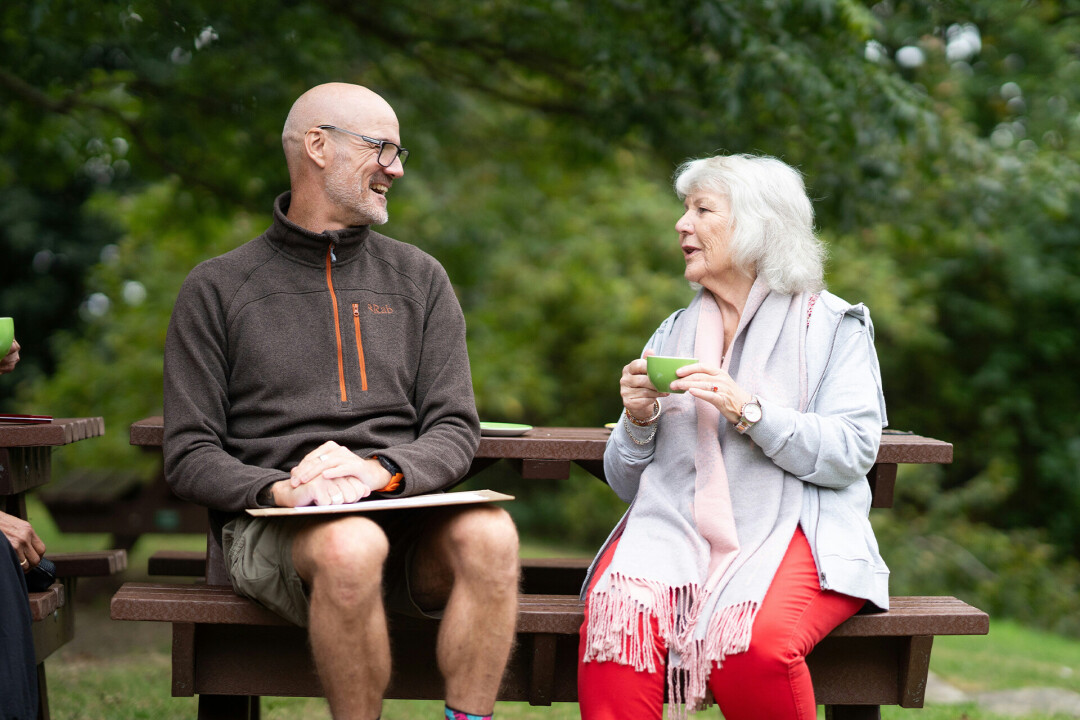
Most would agree that your “words matter,” as they shape relationships in our daily lives – from social outings to professional interactions. This intrinsic value has pushed local advocates across the Chippewa Valley to emphasize how language can reinforce ageist attitudes.
The Aging and Disability Resource Center (ADRC) of Eau Claire County’s mission – since its founding close to three decades ago – has always been to advocate for locals ages 60 and over and adults living with disabilities.
In practice, these efforts foster more inclusive community perspectives, ensure self-reliance, connect older people to essential programs and now, redefine biases toward aging.
“Aging isn't about losing who we were; it’s about becoming more of who we are, wiser, stronger, and more confident,” Linda Struck, director of the ADRC said.
Thanks to statewide support from public health institutions, the ADRC advocates for new communication methods to deter societal notions of ageism and cultivate greater empathy around these topics.
The vision of Reframing Aging and Disability in Wisconsin, a movement the ADRC supports, is “a Wisconsin where everyone, at every age and ability, is respected, valued, supported and belongs.”
While families and loved ones who experience these challenges might find this movement unfamiliar, the ADRC and Reframing Aging and Disability in Wisconsin provide foundational definitions to shift perspectives.
Ageism: A form of discrimination where people are mistreated based on their age. It is rooted in a lack of knowledge, stereotypes with getting older and other prejudices. Despite being a form of discrimination, ageism has often not been taken seriously and is often considered a socially acceptable prejudice.
Ableism: The discrimination and social prejudice against people with disabilities based on the belief that typical abilities are superior. Ableism can often be rooted in the assumption disabled people require “fixing” and defines people only by their disability. The concept can classify entire groups of people as “less than” and includes harmful stereotypes and misconceptions.
“Ableist thinking focuses on deficits, limitations, dependence and what a person cannot do, non ableist focuses on the whole person, their abilities, preferences (and) strengths,” Struck said.
Reframing has become one of the most essential communication tools to promote mindful dialogue when it comes to aging and disabilities. The practice is more than just choosing different words, but a strategy to change public attitudes and even build support for policy change in places of employment and governing systems.
In conversation, instead of “you’re too old to do that” and similar “other-ing” language that invokes stereotypes, the ADRC suggests using more neutral phrases – such as “What would help you continue doing that” – to avoid isolation.
Reframing ageist and ableist language in conversation
Instead of “your too old to do that,” instead ask “what would help you continue doing that?”
Swap out “you look good for your age” with “you look great” in conversation
Avoid saying “he’s in a wheelchair, so he cant participate” and instead ask “he uses a wheelchair, how can we make the activity accessible?”
On a systemic level, general assumptions about needing to “do something” about aging can instead be reframed to direct our attention to intergenerational community centers and demonstrate the positives of working alongside older people.
The ADRC today offers a variety of community activities which bolster intergenerational programming. Its resource library and events calendar ranges from Meals on Wheels volunteer opportunities, to caregiver support groups for families who seek for connection.
As involvement in such programming expands throughout the Chippewa Valley, it’s evident the movement to reframe aging and disabilities affects all of us. With collaboration at the heart of these efforts, anyone can advocate for inclusive mindsets about those who matter most to us.
To learn more about the Aging and Disability Resource Center of Eau Claire County and Reframing Aging and Disability in Wisconsin movement, visit eauclaireadrc.org online or wihealthyaging.org.
The Aging and Disability Resource Center of Eau Claire County (ADRC)
Phone: 715-839-4735
Address: 721 Oxford Ave. #1130, Eau Claire
Email: adrc@eauclairecounty.gov
Website: www.eauclaireadrc.org