Recreation Sports Local Culture
New Court at Cannery Park Encourages Continued Growth Of Kato Sport
a mix of volleyball and hacky sack, this Hmong and South Asian sport has long been played by locals of the Chippewa Valley
Evelyn Nelson, photos by Andrea Paulseth |
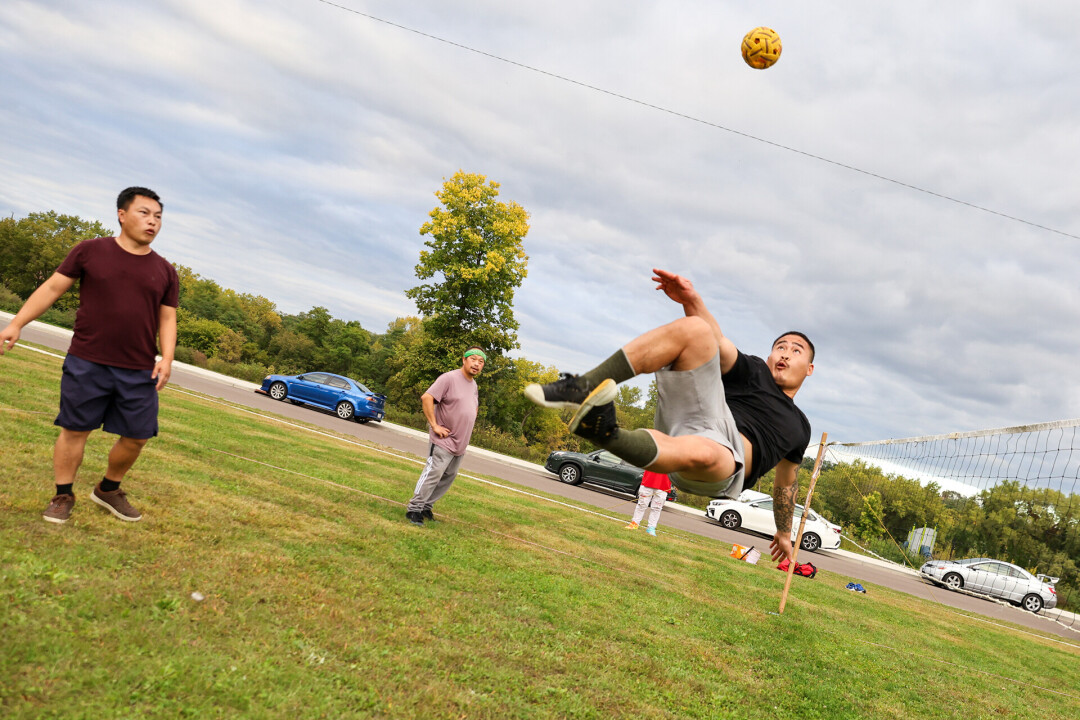
Sepak takraw – otherwise known as “kato” among Eau Claire’s Hmong communities, a sport played widely in Southeast Asia and locally – will soon have a permanent home in Cannery Park.
Completed and open to the public as of 2025, Cannery Park (18 Maple St., Eau Claire) currently features a unique and robust playground, pedestrian trails, a skating plaza, gathering spaces and more.
Yet, the Eau Claire Area Hmong Mutual Assistance Association (ECAHMAA) recognized the park's potential to better represent a deeply cherished, multi-generational sport: kato.
ECAHMAA and the City of Eau Claire Parks, Forestry, and Cemeteries division partnered to create the new sports court, slated for completion sometime in October.
Lar Kong Xiong, board president of ECAHMAA, said municipal officials reached out to the local org to propose the construction of a small, dedicated kato space within Cannery Park.
“Our community has been playing kato in Eau Claire for many years, but players have never had a dedicated court or central location,” Xiong said. “The local club has usually practiced wherever space was available, including basketball courts and other areas they could find.”
Still, the traditional pastime has maintained popularity across the local Hmong community over the years, he said.
“Having a dedicated court will give the local club a place to play, introduce more people to the sport and hopefully encourage youth and others to get involved.”
Lar Kong Xiong
board president of the Eau Claire Area Hmong Mutual Assistance Association
For those unfamiliar with the sport, one might naturally wonder: what is kato? Xiong likens the pastime to a fusion between hacky sack, volleyball and soccer. Use of hands are strictly off-limits; athletes manipulate the ball strictly via chest, head and feet.
While similar to volleyball’s rules of no net contact, it differs in that participants must rely entirely on lower-body coordination to get the ball to “clear the net.” Traditionally crafted from woven natural materials, the ball used in kato matches can often be handed down across generations in the local Hmong community, Xiong said.
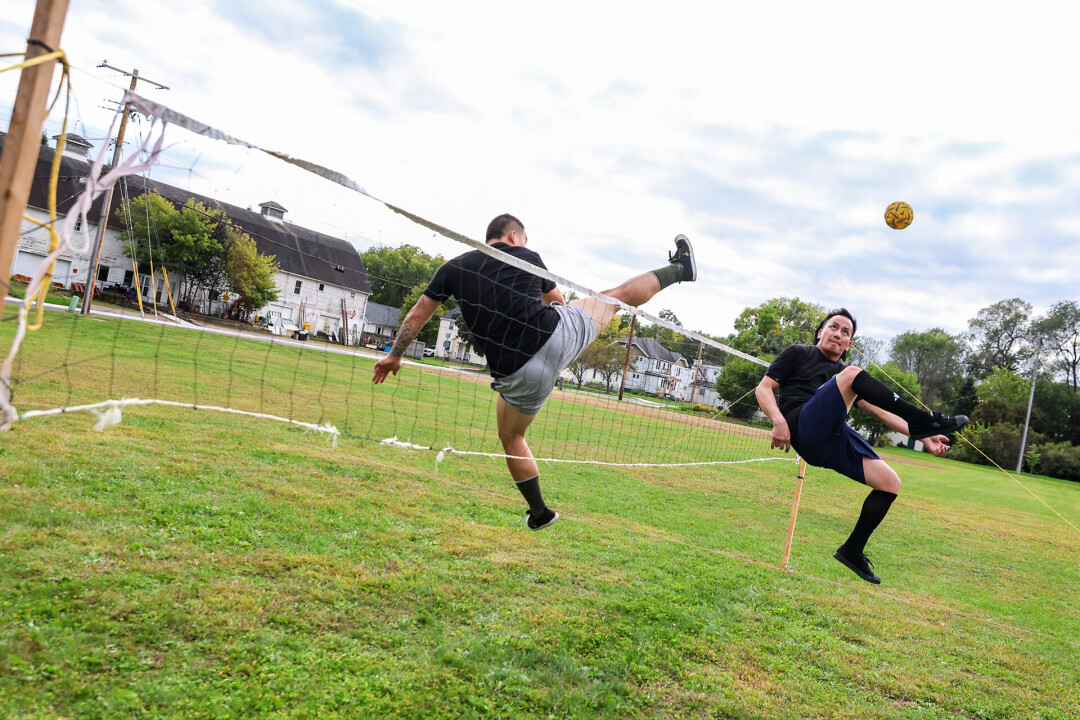
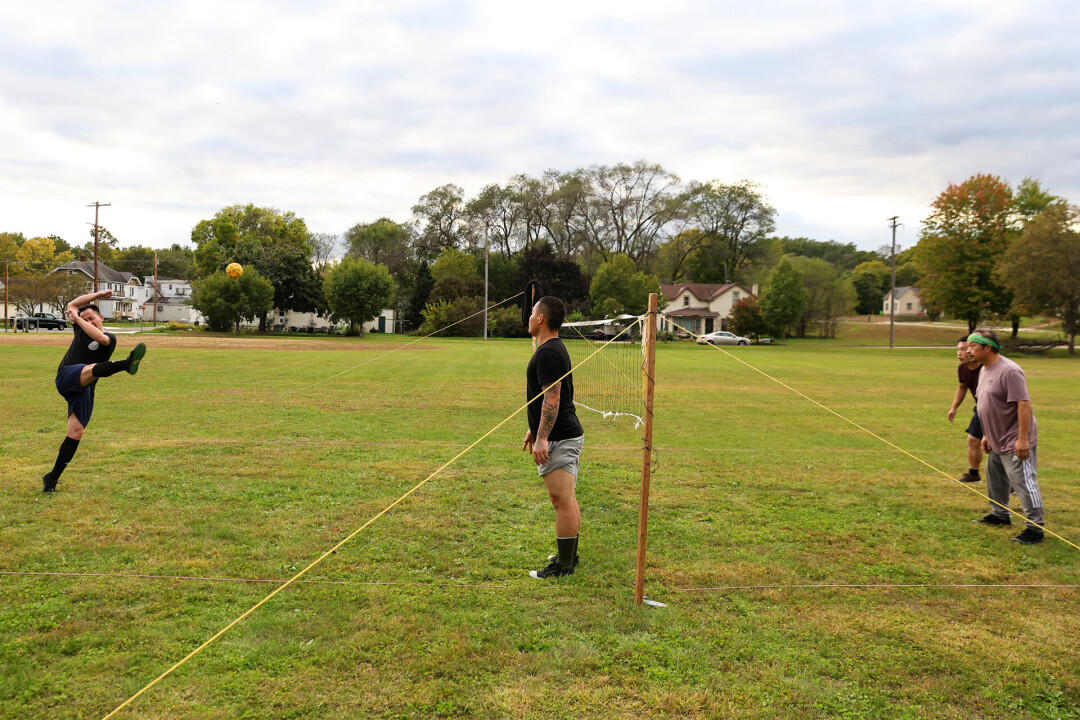
The sport has previously made appearances at UW-Eau Claire in physical education courses; tournaments have been hosted in Eau Claire with both competitive clubs in Minnesota and nationally recognized teams; the fast-paced sport also remains a staple feature at the local annual Hmong Fest.
Across the pond in Minnesota, organizers from Sepak Takraw USA have seen growing numbers and new park facilities to support its competitive leagues.
The same will hopefully be true here in Eau Claire. While local kato participants share stories of their parents playing the sport during childhood, new groups of players continue to pop up too.
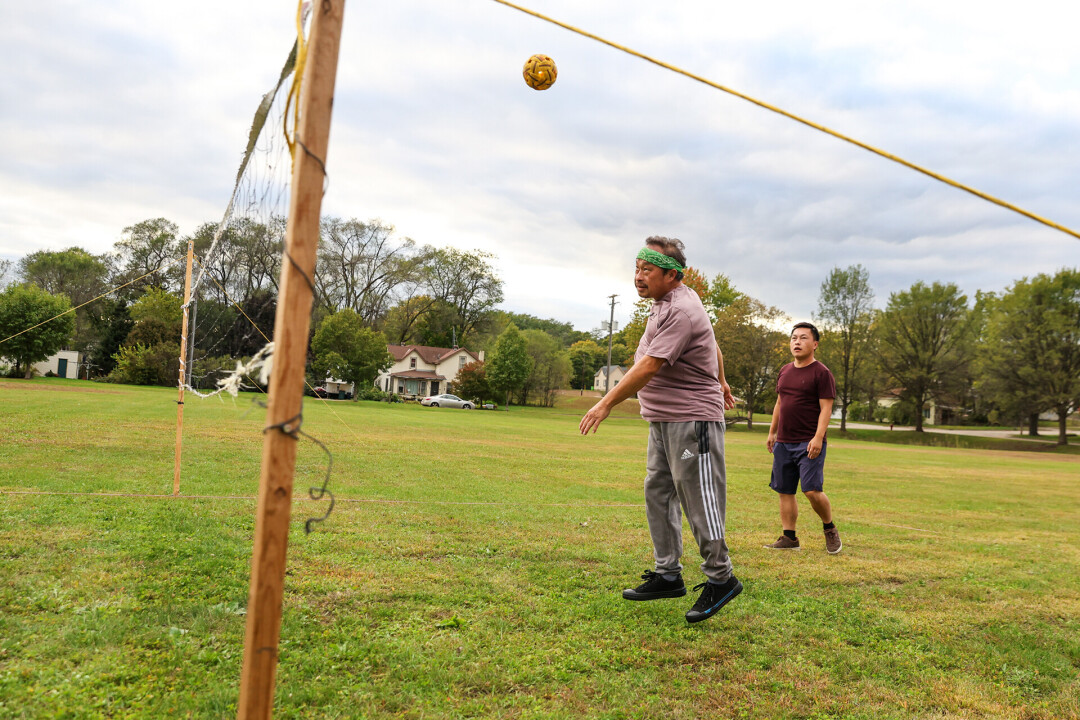
“During Hmong Fest 2026 in Eau Claire, members of the U.S. national sepak takraw team came to Eau Claire and played at the soccer fields,” Xiong said. “We hope the new court will help create more interest in the sport and give local players opportunities to compete at higher levels, including internationally.”
Whether you refer to it as kato, sepak takraw, or simply a dynamic blend of hacky sack and volleyball, keep your eyes peeled for the official court unveiling at Cannery Park – along with future matches where non-players can gather and cheer on local players.
“Many sports that are now popular in the Chippewa Valley – Kubb, curling and pickleball – were also unfamiliar to many people when they were first introduced,” Xiong said. “Having a dedicated court will give the local club a place to play, introduce more people to the sport and hopefully encourage youth and others to get involved.”
Visit the Eau Claire Area Hmong Mutual Assistance Association webpage online or social media page (@eauclairehmaa) for ongoing updates on the new kato court in Cannery Park (18 Maple St., Eau Claire). Questions about the court can be directed to the City of Eau Claire Parks, Forestry and Cemeteries division.