Downtown Micon Cinema Sets Price-Tag At $499K, Locals Talk Possible Co-Op Model
Manager Dan Olson points to finances, Hollywood release schedules, parking as factors leading to the sale
Evelyn Nelson, photos by Luong Huynh |
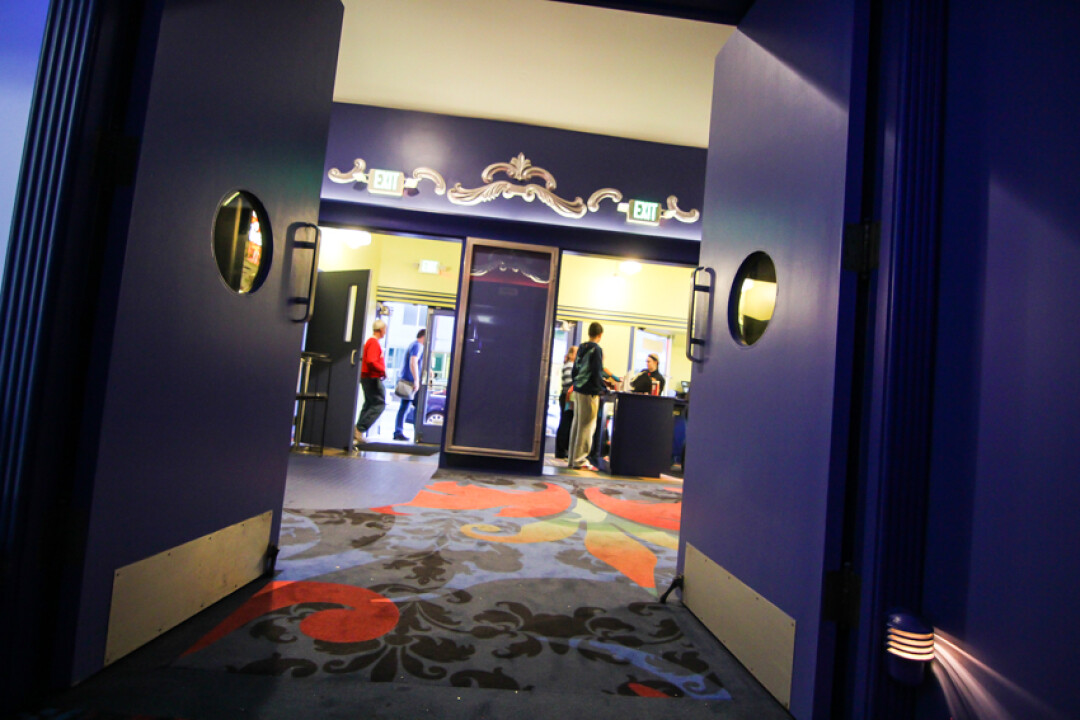
After Micon Cinemas announced its plans to sell the downtown Eau Claire theater location, locals have shown up in droves online – both to share memories and well wishes to the area cinema chain, and to “save the downtown cinema.”
Since the Oct. 2 announcement, Trillium Commercial Realty and agent Jake Tanner shared the Micon Downtown Cinema venue and adjacent B-Framed Galleries storefront are being sold together, priced at $499,000.
“Upstairs in the former B-Framed location, you’ll find office space set up, while the main floor is primed for retail space,” the listing reads. “The former Micon Cinema has two theatre viewing rooms but no equipment will be available to purchase.”
Across social media this past weekend, community members' discussions largely revolved around the two primary reasons Micon Cinemas decided to put the property up for sale (per their social media announcement): smoke damages and ongoing parking challenges.
Micon Cinemas Operations Manager Dan Olson told Volume One those aren't the only factors behind the decision.
“Parking was just one of many factors and struggles that we have faced and are facing down there. We’re a small business just like anybody else and have to look at where it makes sense to financially continue.”
dan olson
Operations Manager, Micon Cinemas
Beyond The Smoke & Parking Impacts
In a conversation on Monday, Oct. 5, Olson said while the theater venue was spared from direct flames during a fire at B-Framed in March, heavy amounts of smoke rolled into the theater due to its shared wall with the adjoining gallery.
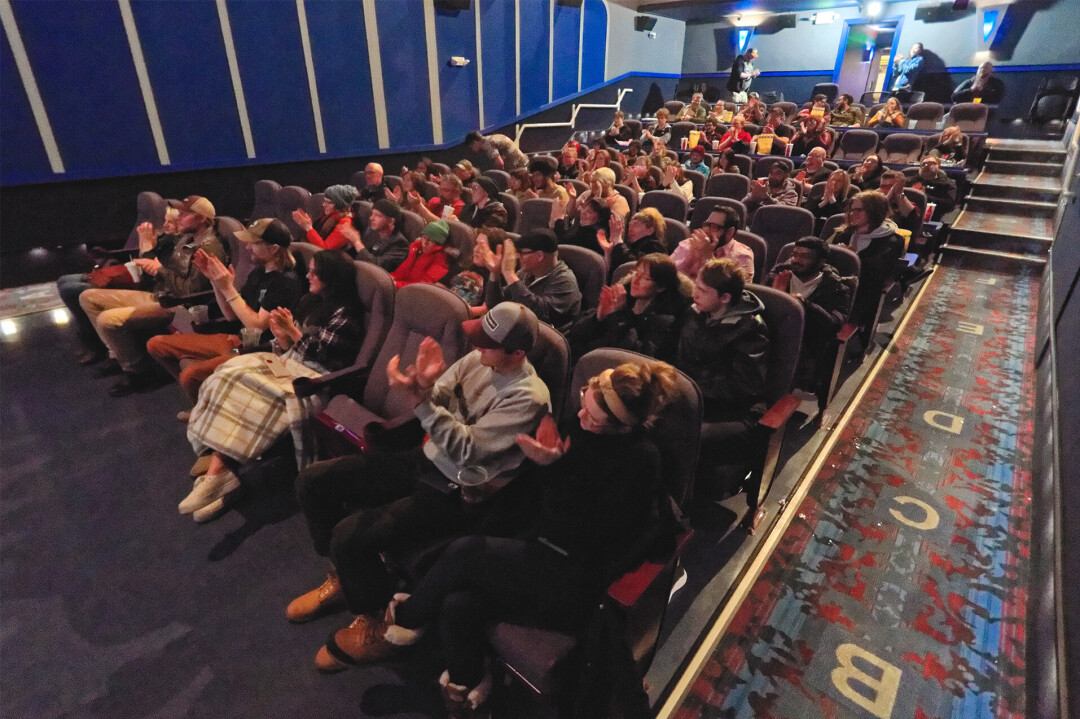
The thick fabric of the theater's curtains and acoustic buffers absorbed the majority of the smoke damage, Olson said, with a layer of smoke dust particles left across the venue's two theater screens.
While merely one factor leading to the local business's decision not to reopen the downtown cinema, parking availability has been a concern for some time, Olson said.
He pointed out that before the newly implemented paid parking system went into effect Aug. 1, moviegoers said they ran into issues with the former two-hour parking limits, whenever showings surpassed the two-hour mark.
“Honestly, the parking was just one of many factors and struggles that we have faced and are facing down there,” Olson said. “I hear businesses say (paid parking is) driving people away. I’ve seen other businesses offer to pay for the parking.”
“We’re a small business just like anybody else and have to look at where it makes sense to financially continue,” he continued.
Additionally, other influences like Hollywood’s current theatrical release schedules and expenditures for upgrades – such as reclining seats, featured in Micon's Chippewa Falls and Eau Claire locations – were part of the recent decision to sell the downtown property.
A Cooperative Cinema Model?
As both sites along Barstow Street were listed together at $499,000, Brianna Vodvarka – owner of Black Kettle Tea & Bootique in downtown Eau Claire – created a Facebook group entitled “Save The Downtown Cinema” to explore cooperative ownership options.
“I am dead serious about a community run and funded movie theater,” Vodvarka shared online. “We need people willing to put in their time for fundraising and people who have connections in the community.”
Ideas floated by users in the private group (which, as of Oct. 5, has 140-plus members) include the establishment of a steering committee and board of directors for a cooperative model; discussion around insurance considerations and securing funds for necessary venue renovations.
At the time of interview, Olson said he was not part of or privy to those talks of a community-owned cinema.
Save The Downtown Cinema members have announced they will gather at 5:30pm on Oct. 12 at The Fire House (202 Gibson St., Eau Claire) for an in-person meeting.
A cooperative theater would be owned and controlled by its members – often local community residents, patrons or workers. In regional examples, co-op members can purchase an equity share, granting them voting rights on big decisions, board elections or daily operations.
One example of this model is Oshkosh's Time Community Theater, which operates as a volunteer-based nonprofit theater. It was established to provide an affordable venue for the arts and contributes to the revitalization of downtown Oshkosh.
Run by unpaid volunteers and a board of directors, the venue describes itself as a “place for community activity and creating a platform for local talent created the 501(c)(3) non-profit organization.”
This is a developing story. Read previous coverage on the Micon Downtown Cinema by Volume One, online.