The Q-word
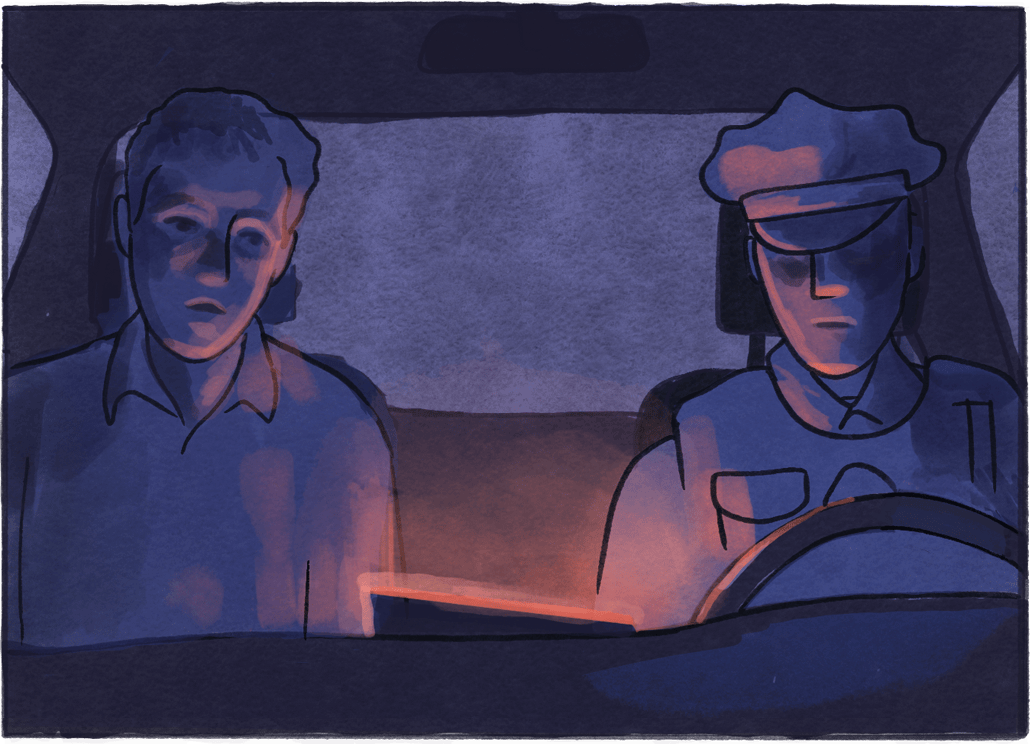
The memorial is a sobering reminder on this Halloween night, as I head out on a police ride-along with Officer Brooks. It feels like we’re heading into a gunfight. Instead, we spend the first half hour sitting in his squad car as he finishes the documentation on a fight he busted up earlier at The Community Table. Inside the car, the dashboard lights cast a glow, and it’s quiet except for the click of the keys as he types.
I thought the dispatcher would be calling nonstop—and we’d be racing from crisis to crisis—but he’s grateful for the time to catch up. Every job has chores, and his is paperwork.
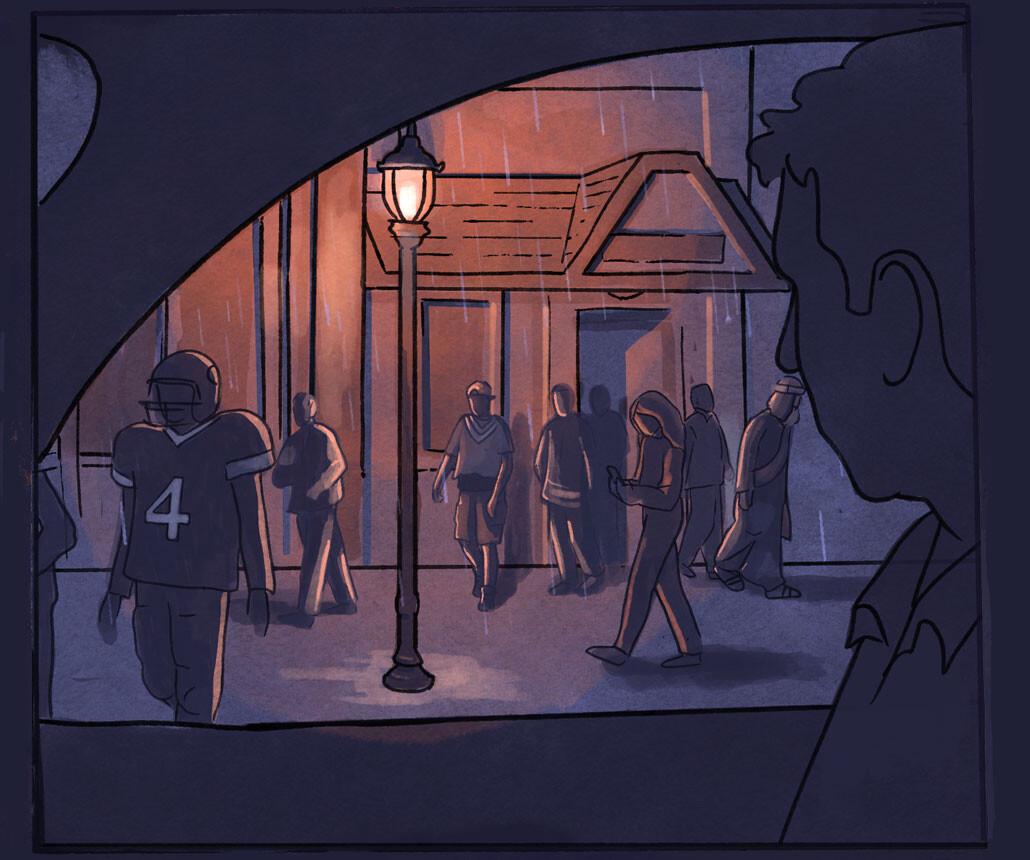
Did I want it to be quiet? Not really. I guess if I wanted quiet, I would’ve picked a Sunday afternoon. But I picked 10pm to 2am on Halloween night because it seemed like an interesting window into the life of an Eau Claire police officer. As we sit in the police station parking lot, large groups of college students file down the sidewalk in costumes, heading to the bars or to house parties.
While Officer Brooks types, I work on paperwork, too—my notes for this story. I’m mindful not to be a burden—an unnecessary distraction in a job that needs no unnecessary distractions. Yet, I’m surprised he doesn’t seem to mind my presence.
“Go ahead,” Officer Brooks says while rapid-fire typing on his laptop. “Ask me anything you want.”
“I can wait until you’re done with your paperwork,” I say. I know that if someone talks to me intermittently while I’m typing, I have to stop to fully engage, and then try to get back in the flow, constantly jerked in and out of concentration.
“That’s OK,” he says. “I can do two things at once.”
So I ask my questions, and he gives detailed responses—while still typing at the same rapid-fire pace. It’s like he has two separate brains working simultaneously.
Typing while talking...I didn’t expect this to be the impressive skill set on display this evening, but it’s relevant. It turns out this analytical, compartmentalized brain is exactly what this line of work needs.
It relates to one of my first questions. A police officer I know personally is often calm, friendly, self-deprecating, full of jokes and banter. Then, like flipping a switch, he can turn deadly serious and take charge of a dangerous situation. But afterward, he needs to show empathy and provide comfort to victims, including children and the elderly.
“I can see being a natural at one of those,” I say, “but how are you able to flip that switch between the widely different personalities you have to show?”
“I think of it more as dials than an on-off switch,” Officer Brooks says, while continuing to type. “Some of those dials in certain situations need to be turned up or down a little, and sometimes they need to be turned up to eleven.”
It’s also not something you can acquire from a handbook.
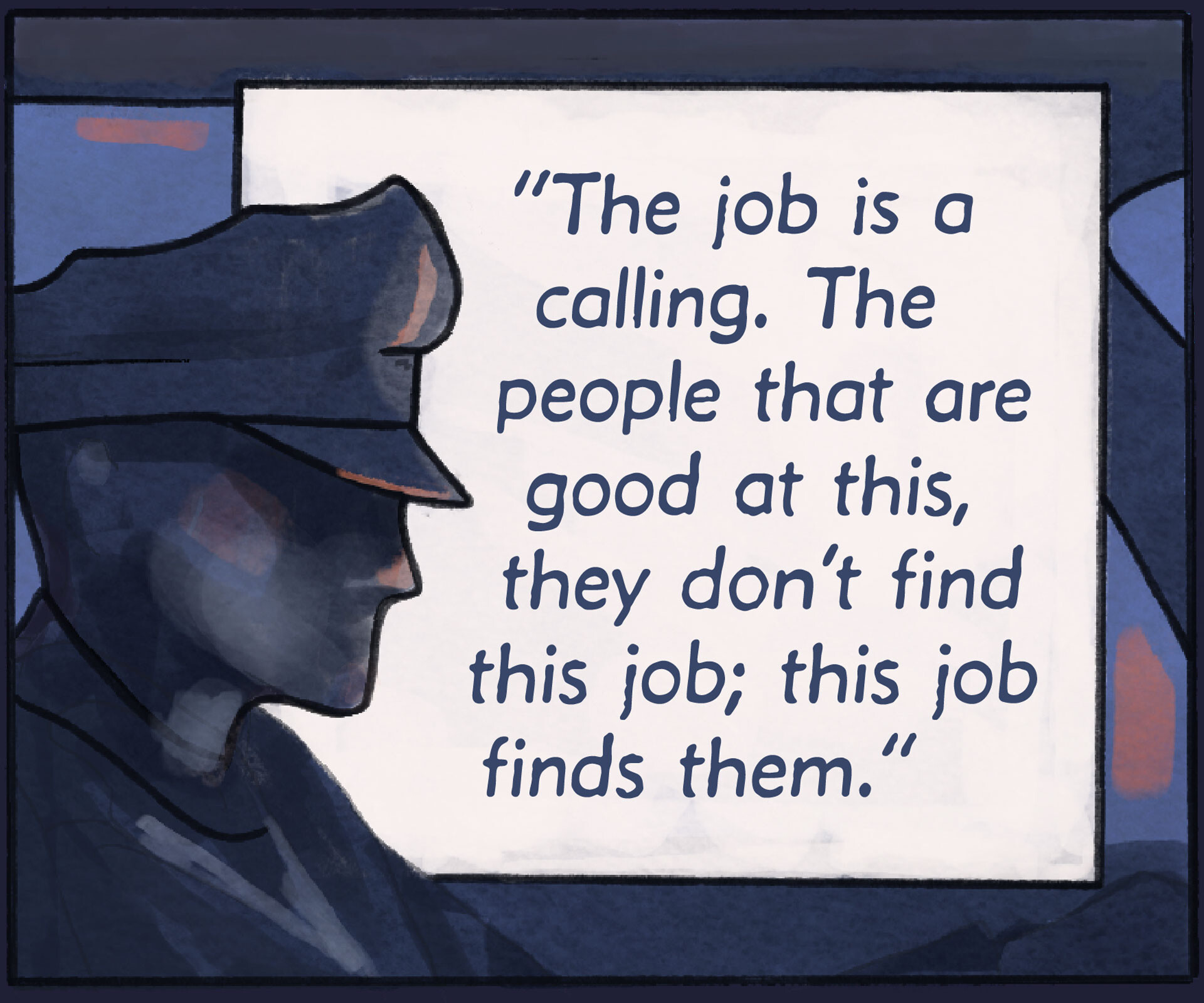
“If you don’t have it, it can’t be taught,” he says. “Like you can’t drive the Indy 500 with a Toyota Prius.”
After sitting in the parking lot a while longer for the paperwork/Q&A session, I say, “It’s a lot quieter tonight than I expected.”
“We don’t ever use the ‘Q-word,’ ” Officer Brooks says. “Because as soon as you do, things will blow up.”
Burglar
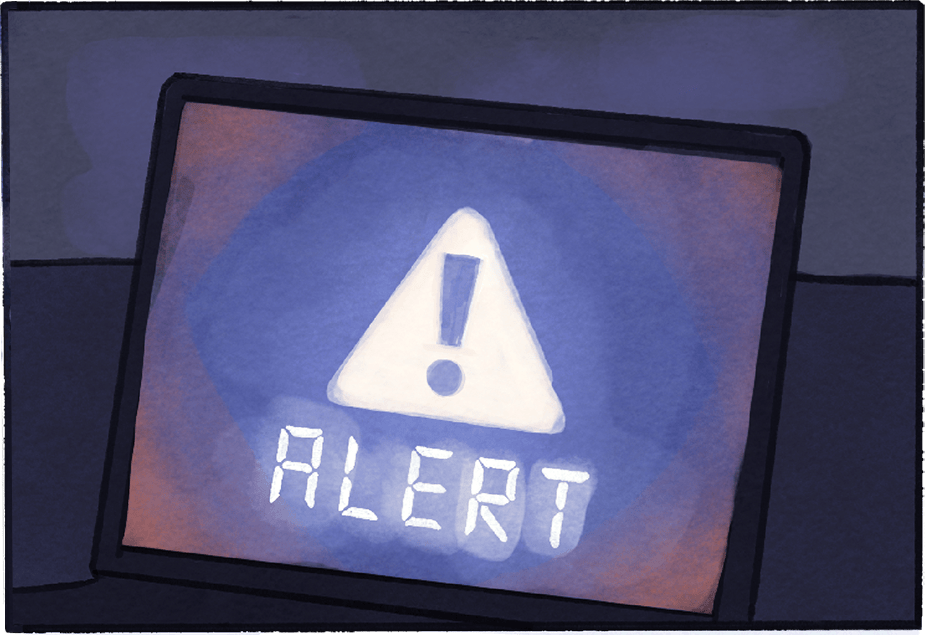
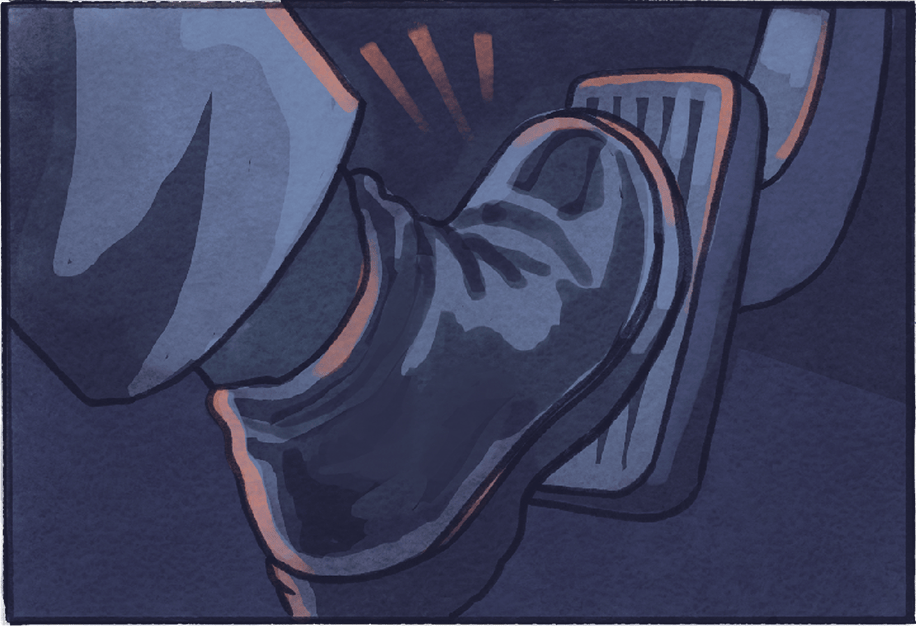
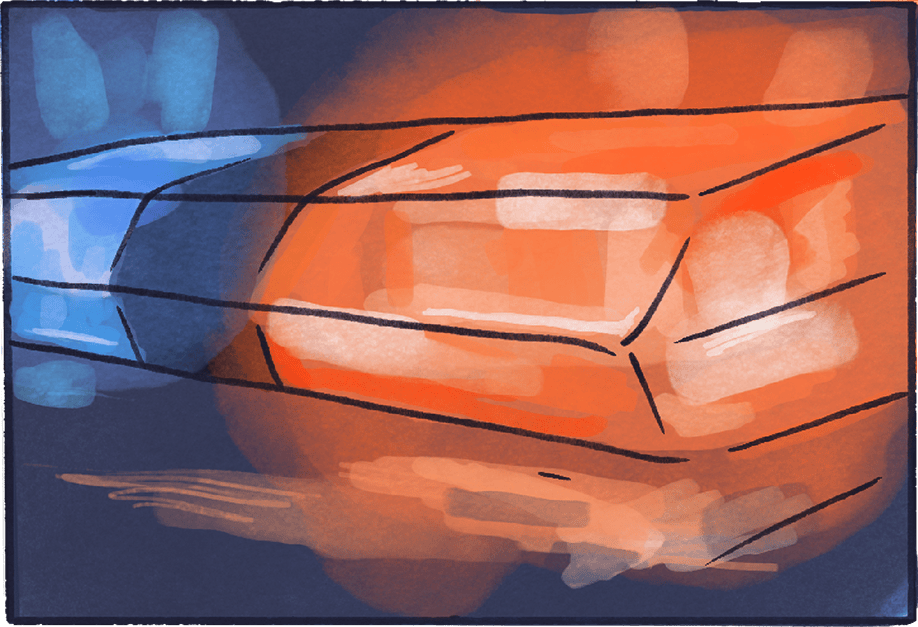
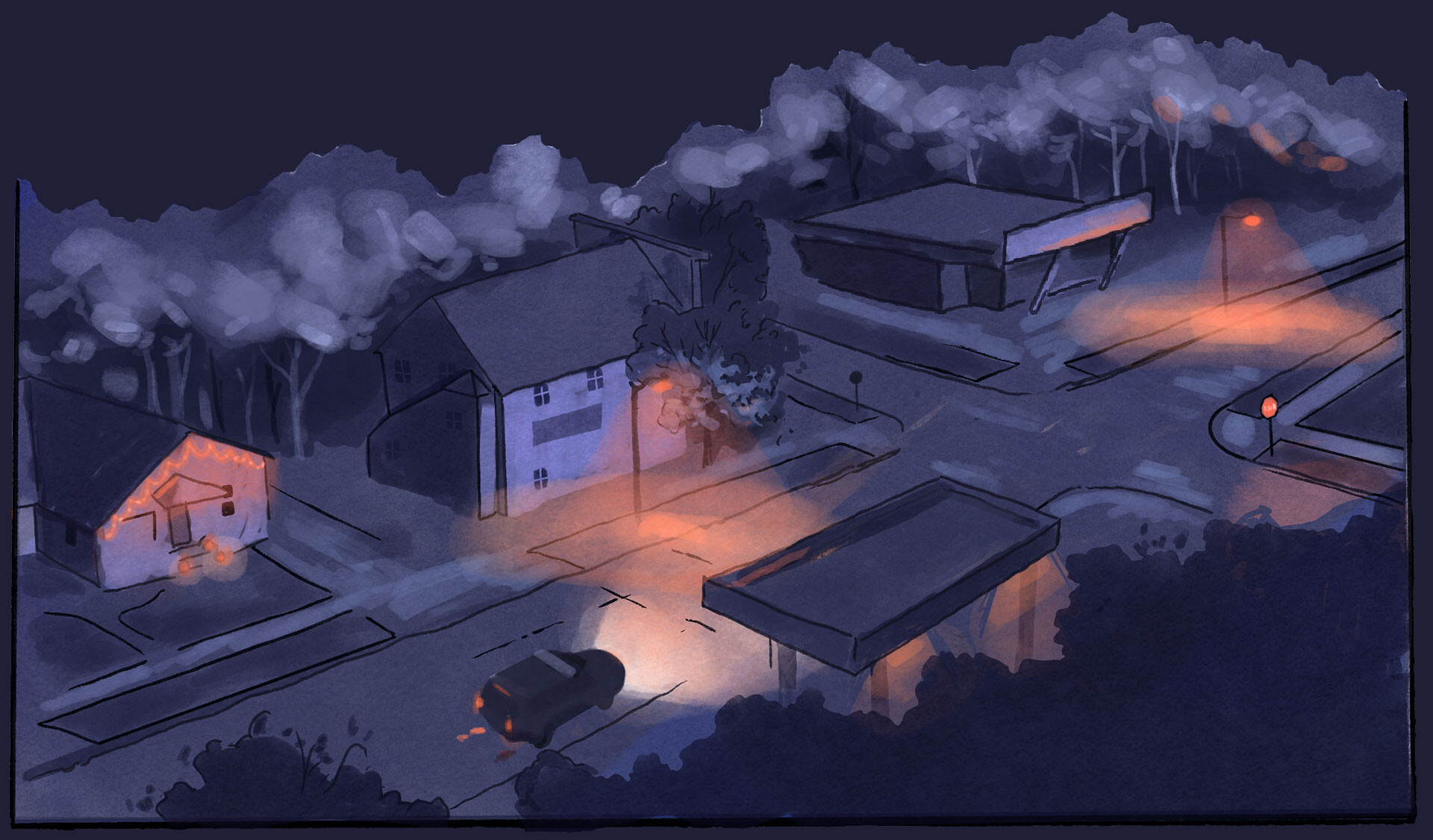
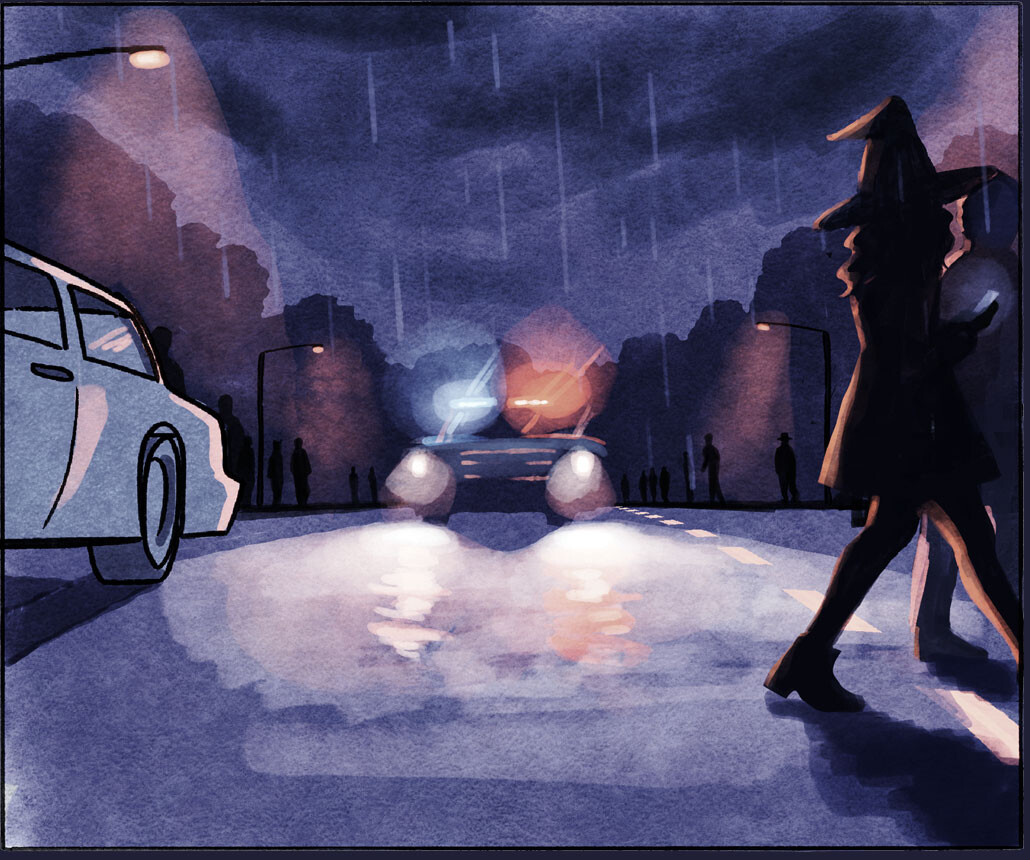
Soon after, a dispatcher alert breaks the quiet. A suspected burglary is in progress on the edge of town. Like a reflex, Officer Brooks slams the car into drive, flips the sirens, and floors it. We fly through Eau Claire, slowing only for corners. Ahead of us, cars pull over, and we slingshot through the empty lanes. We are in no-nonsense mode now. I’m asking zero questions.
We’re barreling towards a place Officer Brooks has visited many times before. Doubling the speed limit is thrilling, but it’s not a joy ride. It’s too serious for that. As we approach the neighborhood, he turns off the sirens and eventually turns off the headlights—stealth mode.