DECK-ONOMICS: The Economics Of... Skateboarding?
UW-Eau Claire's Thomas Kemp talks 'labor, private property, and the public will of DIY skateparks' in new journal
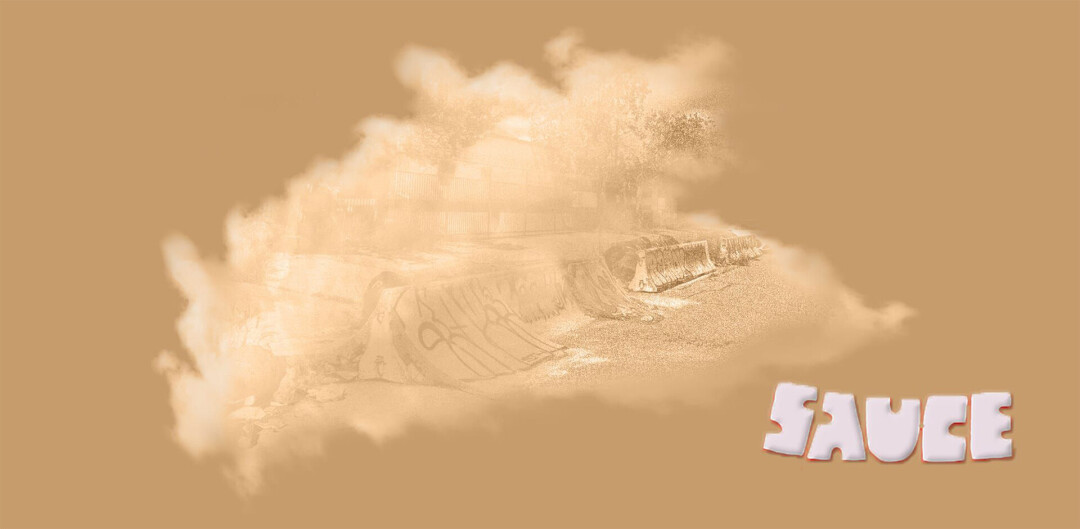
Have you ever wondered why skateparks are where they are? Have you looked around and wondered why there isn’t one in your neighborhood? Or what it takes to even make one yourself?
Thomas Kemp, an economics professor and chairperson at the University of Wisconsin-Eau Claire, is dedicated to finding the answers to these questions and more – combining his passions for rigorous research and the local skateboarding scene.
While at a research conference in San Diego, Calif. last year, he and a few other colleagues wanted to create something Kemp describes as “somewhere between a conventional academic journal and a magazine.”
What followed was a space where Kemp and his colleagues could share their economic research independently: Skateboarding and Urban Cultural Ecologies (SAUCE).
"Skateboarders don't hesitate to renovate dilapidated urban spaces. i think that's fairly rare."
THOMAS KEMP
ECONOMICS CHAIRPERSON & PROFESSOR, UW-EAU CLAIRE
In the first issue of SAUCE Journal, a “DIY journal dedicated to the cultural, social, aesthetic, and cultural contributions of skateboarding,” an essay from Kemp is featured, entitled “John Locke and the Skate Pirates: Property Rights and Their Limits.”
The essay, which you can read online at saucejournal.org, uses an analysis of legal theory and a fictional story of a group of skateboarders looking to construct their own skatepark to explore how “skateparks can exist within a grey area of the law.”
While picking apart the economic jargon typically used by Kemp and his colleagues, I asked him about the central idea behind the essay and to break it down for a non-economics student or professional.
“Economic development or redevelopment is largely a function of the people in the world,” Kemp said. “I think that sometimes legal barriers and general obstacles make a lot of people feel like they're outside those processes.
“Having been involved with skateboarding for 40 years and watching skateboarders renovate spaces, it just seemed like a few things kind of went together,” he continued.
Kemp hopes that skateboarders and non-skaters alike can derive meaning from this essay, adding “Skateboarders don’t hesitate to renovate dilapidated urban spaces. I think that’s fairly rare … those talents are much needed in society.”
Kemp and his colleagues are currently working on issue two of SAUCE Journal. They're now accepting a range of submission formats – including essays like Kemp’s – or artwork and other creative mediums.
Read “John Locke and the Skate Pirates: Property Rights and Their Limits” for free online at saucejournal.org. For those looking to submit to the journal, find the submissions tab and follow its guidelines.


